
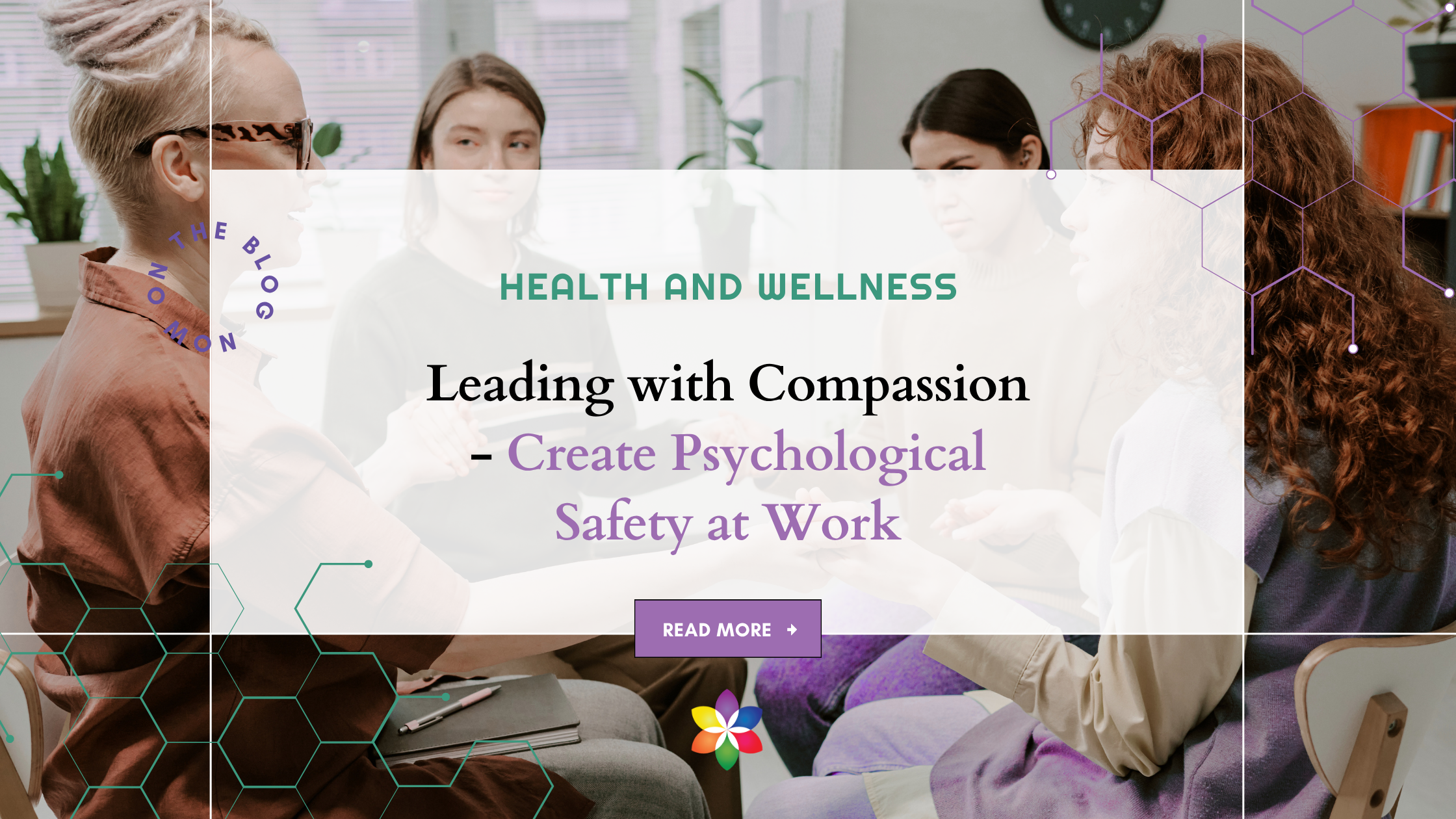
When teams feel safe they move faster; when they don’t, everything slows — decisions stall, feedback hides, and small problems calcify into crises. Psychological safety isn’t a fluffy HR ideal. It’s a design problem you can solve with a few deliberate rituals, clear language, and the courage to model imperfect leadership. Over years of community building and running creative teams, I learned that safety doesn’t come from a single memo or a quarterly retreat. It’s made in the daily architecture of how you welcome people, talk about mistakes, and show up as human beings while getting work done.
Onboarding rituals that set safety from day one
Onboarding is your single biggest chance to seed the culture you actually want. Two new hires can have wildly different first impressions depending on whether their first message is a 20-page manual or a short, human note that names expectations.
Start small and human. Send a Day-0 welcome note that names psychological safety explicitly: “Welcome. Here’s who to ping when you’re stuck. We expect questions and we expect mistakes. Say them loud; we’ll help.” On Day 1, schedule a ten-minute Safe-Start conversation: clarify three immediate priorities, name the three people the hire should call first (buddy, manager, HR), and make one explicit promise — “If something feels off, tell me. I will help.” Put those notes in a shared doc so the new person can revisit them without guesswork.
Pair that with two micro-rituals in week one: a 15-minute “how I work” pairing with a buddy where norms (communication cadence, preferred channels, meeting styles) are exchanged, and a brief “fail-safe” pact between manager and hire — a one-line agreement that says: “I will say when I don’t know; you will help me learn.” Those simple rituals cue that curiosity is expected and that silence is not the default.
Why this matters: explicit permission reduces cognitive load. When permission exists, people surface problems early. When it’s absent, they hide them — and hidden problems compound into expensive surprises.

Failure post-mortems that heal and teach
A properly run post-mortem is more than accountability theater — it’s one of the fastest ways to build team competence. Most post-mortems fail because they default to naming villains. The difference between harm and healing is a format and a set of rules.
Use a healing post-mortem structure:
- Opening ritual (5 min). The manager states purpose aloud: “We’re here to learn, not to blame,” and names the timebox and moderator.
- Fact bake (10–15 min). Share observable data and a clear timeline — no attribution, just verifiable facts.
- Impact mapping (10–15 min). List concrete consequences: customer effects, timeline slips, financial cost. Keep it grounded.
- Experience round (15 min). Each participant gets one sentence: “What I saw; what I thought; what I felt.” No interruptions. This surfaces emotional data without drama.
- Root framing (10 min). Distinguish system flaws from individual lapses. Ask: Which were human errors, and which were process/tooling issues?
- Rapid remedies (10 min). Agree on three fixes, owners, and a date for follow-up.
- Repair offer (closing 5 min). If someone felt harmed, the manager offers a repair path and schedules a private reconvene.
Rules to protect the room: no public finger-pointing, enforce the one-sentence experience rule, and document fixes with owners and dates. When post-mortems end with a repair offer and a roadmap, resentment doesn’t have time to harden; learning does.
The power of vulnerability in leadership
Vulnerability is not oversharing. It’s disciplined honesty that clears space for others to be real. Leaders who model uncertainty and own mistakes create a permission cascade: people stop guessing and start aligning.
A leader’s moment of vulnerability should be short, concrete, and followed by action. Say it plainly: “I don’t have all the answers here. I made a call last week that caused extra work — I’m sorry. Here’s how I’ll fix it.” That admission plus repair is far more useful — and credible — than any inspiring speech.
Leadership scripts (keep these handy)
- Modeling uncertainty:
- “I want to be candid — I don’t have all the answers here. I’m leaning toward option A because of X, but I want your best perspectives before we commit. Tell me what I’m missing.”
- Owning a mistake (repair script):
- “I made a call that missed the mark and that created extra work. I’m sorry. Here’s what I’ll do to fix it: [list]. I’d like your input on whether that’s enough.”
- Inviting dissent:
- “If anything here feels risky or wrong to you, say so. We’re practicing disagreement because it helps us ship better work.”
These short phrases are powerful because they remove the mystery about what leaders want: honesty, focused repair, and collaboration.
Accountability with dignity
Compassion does not mean avoiding hard conversations. Psychological safety must coexist with clear performance standards. When behavior repeatedly harms others, compassion requires a direct, private conversation: name the behavior, describe the impact, outline a path to improvement, and offer support (coaching, clearer expectations, resources). Set a check-in and make progress visible. Accountability framed as growth — not punishment — preserves both safety and standards.
Rituals that scale culture
Rituals are the glue that makes new norms stick. Keep them visible and simple. A one-minute “temperature check” at the start of a meeting — a one-word round on how people are showing up — creates a loop of awareness that prevents escalation later. Make post-mortem rules obvious: include them in onboarding material, read them at the top of the meeting, and have a rotating moderator to keep the format honest.
Repair deserves its own ritual. When trust is frayed, a short structured repair conversation beats avoidance: name the harm, apologize, offer a corrective action, and invite the injured party’s input on what would restore trust. Schedule a visible follow-up — a check-in, a shared doc of actions, or a small change in responsibilities. Repair is not a one-off; it’s a practiced sequence with measurable steps.
Language and practice change atmosphere
Most managerial work is atmospheric. You create conditions where people either take smart risks or hide. That atmosphere forms in small, repeatable moves: the Day-0 welcome, a one-sentence experience turn in post-mortems, a leader’s quick repair script. Over time these small moves compound: meetings get cleaner, mistakes surface earlier, and the team learns faster than it used to.
If you want one concrete place to start: change the Day-1 cue. Replace the legalistic welcome packet with a short human note and a ten-minute Safe-Start conversation. Teach your managers the three scripts above and ask them to use one publicly each week. Make post-mortems fact-first and one-sentence-each. Those three steps — welcome, vulnerability, and healing post-mortems — produce more speed and less fear than a dozen policies.
Designing safety is neither soft nor optional. It is infrastructure. It costs less time than you think and returns more clarity than any reorg. Lead with compassion, model repair, and hold people to clear, kind standards. Do that and your team will not only survive hard work — it will thrive in it.
Other Articles in the Professional Health & Wellness Series
The Executive Breath
Authenticity at Work
The Communication Practice
From Burnout to Boundary
Relational Intelligence
Presence Over Performance
Spirituality for Professionals
Sleep, Cycle & Performance
Daily Rituals That Compound
Financial Self-Care
Leading with Compassion
Therapy & Strategy
Annual Reset



Leave a Reply