
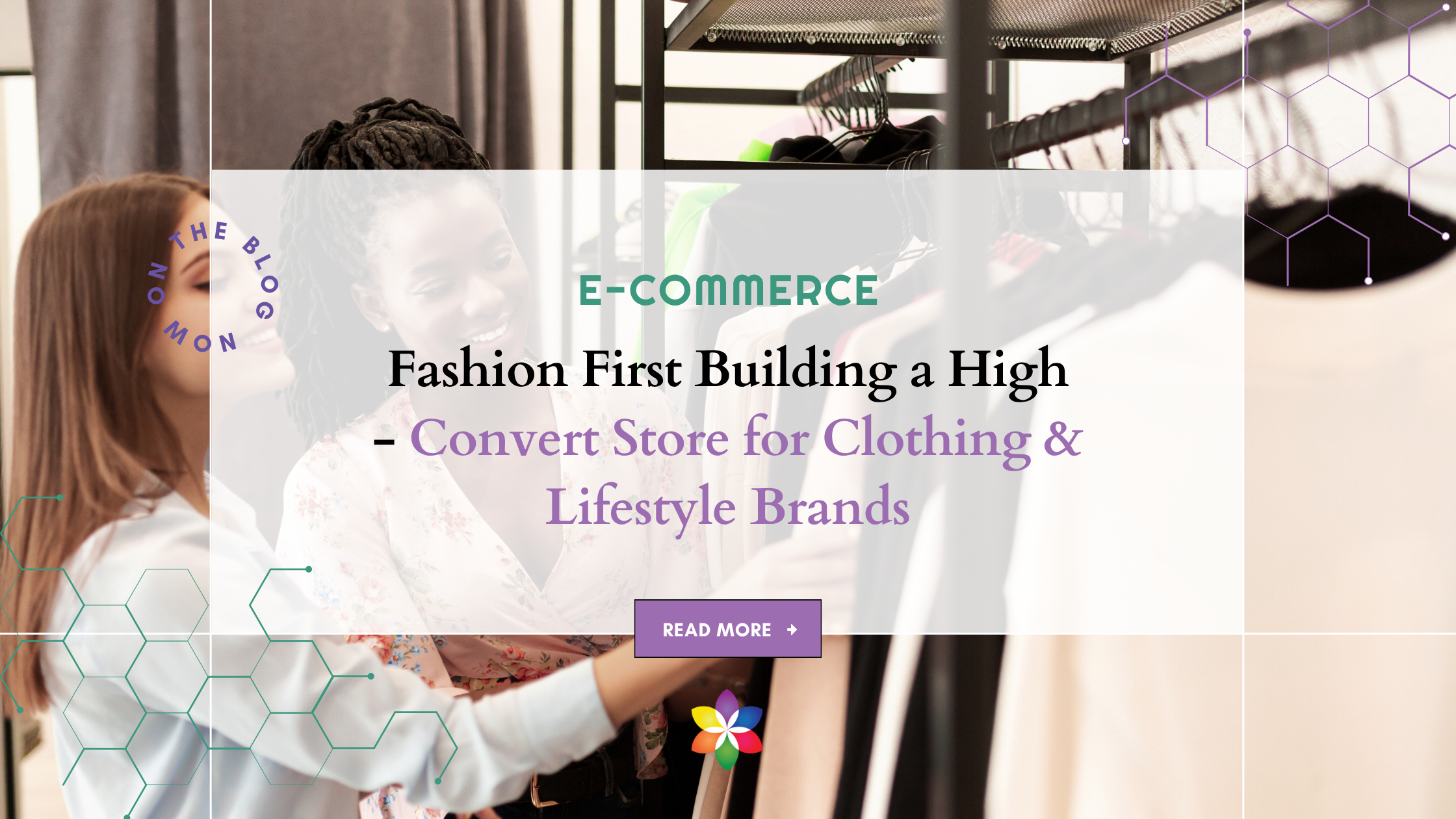
You scroll, you tap, you imagine the fabric against your skin – and then you hesitate. That is the exact second a fashion brand either wins a customer’s confidence or loses them forever. The digital runway has to do the heavy lifting: translate texture, fit, and intention into pixels that feel real. Do that well and your store becomes a dressing room, a stylist, and a storefront all at once.
This article is a fashion-first playbook for founders, CMOs, and e-commerce managers who want a store that doesn’t just look pretty— it converts. We’ll walk through visual storytelling, the product page ingredients that reduce returns, how to stitch online and offline into revenue, and the high-impact tech & creative add-ons that move the needle.
Visual-first design & storytelling (hero imagery, shoppable lookbooks)

Fashion is visual storytelling. Your hero section isn’t a billboard; it’s a love letter that either earns a click or buries your brand in scrollland.
Lead with mood, not a catalogue. The hero needs a single, persuasive idea—seasonal attitude, a lifestyle vignette, or a product story that invites curiosity. Use a short headline plus an action: “Summer, simplified” + “Shop the look.” A carousel can be tempting but often dilutes impact; choose one strong hero per landing page and rotate by campaign.
Shoppable lookbooks are the secret weapon. Instead of dumping a grid of SKUs into a page, craft a narrative shoot—a morning routine, a coastal weekend, an office to after-hours arc—and make every image clickable. Each hotspot becomes a micro-moment: “Blazer — size shown: M — add to cart.” That short path from inspiration → product reduces friction and preserves the emotional context that drives higher AOV (average order value).
Mobile first, always. Most fashion shopping starts on a phone. Make images load quickly (lazy-load, optimized formats), keep CTAs above the fold on small screens, and keep the add-to-cart flow fewer than three taps. Micro-animations—fabric zoom, a cardigan sleeve swinging—give a tactile sense without costing interaction time.
Visuals that convert:
- Hero: one main image, one clear CTA, one supporting line.
- Lookbook: story arc with hotspots and quick add-to-cart modals.
- Product tiles: lifestyle + close-up thumbnail + color swatch preview.
- Speed & accessibility: compressed images, alt text, and keyboard-navigation-friendly galleries.
Product pages that sell (size, fit, video try-ons, AR try-ons)
A product page is where purchase intent either becomes a transaction or an abandoned cart. For fashion, the battle is fit anxiety—customers worry it won’t look or feel the same in real life. Win that worry and you win trust.
Size & fit: be explicit. Provide multiple fit signals: a size chart is table stakes, but layer in model info (height, usual size) and fit notes (“runs small,” “relaxed through the chest”). Add a simple “Find your size” quick quiz for new customers: three questions, personalized recommendation, one-click size selection.
Surface real-world context. Use at least one short video showing a live model walking, turning, and moving. Video communicates drape, stretch, and motion far better than stills. For more advanced shops, add a short 10–15 second “walk” reel per SKU that auto-plays muted on hover (desktop) or tap (mobile).
AR & virtual try-ons are no longer novelty—they’re conversion tools. Allow users to try on sunglasses, hats, or even a jacket via AR on mobile. If full-body AR is out of scope, offer head/face overlays and size visualizers that let customers compare garment measurements to their own. When AR isn’t doable, virtual-fit tools (where customers input height/weight/shape) and fit-prediction badges can reduce returns.
Clarity on inventory and scarcity. Show real-time stock (“Only 3 left in M”) and delivery windows (“Ships in 1–2 business days”) to set expectation and drive urgency without pressure. Visible reviews and user photos (UGC) complete the trust loop—display curated customer images and highlight fit feedback.
Cross-sell thoughtfully. Suggest a coordinating piece (“Complete the look”) or a size-similar alternative if the chosen size is out of stock. Keep add-ons relevant and limited to one or two suggestions—too many secondary options dilute checkout intent.
Omnichannel retail & wholesale flows (B2B portals + retail pop-ups)
Fashion is rarely only online anymore. Successful brands choreograph online product discovery with real-world touchpoints—showrooms, pop-ups, and wholesale partnerships. The key is seamless inventory and messaging.
Buy-online-pick-up-in-store (BOPIS) and local pickup. If you run pop-ups or a flagship, offer local pickup and same-day collection windows. Ensure the checkout shows pickup availability by postal code and instruct staff on express pickup protocols. Faster availability wins customers who want immediacy.
Wholesale/B2B portals. If you sell to boutiques or larger retailers, create a dedicated B2B portal: price lists, net terms, minimum order quantities, and quick reorder flows. Make it easy for buyers to browse curated collections, request samples, and place reorders with PO functionality. Sync B2B inventory with your D2C stock—or maintain separate allocations to protect retail availability.
Pop-up logistics & experiential sell-through. Pop-ups are conversion events and marketing engines. Use them for product testing, limited releases, and influencer activations. Capture email and phone at checkout, and link on-site purchases to customer records for post-event lifecycle communication.
Inventory sync is the backbone. Use an inventory management layer that syncs POS, e-commerce, and wholesale allocations in real time. Mismatched stock is the simplest way to tank a launch; consistent inventory equals consistent brand experience.
LiLA add-ons: AR showrooms, influencer funnels, stylist booking widgets
If the previous sections are the foundation, consider these high-impact add-ons as the polish that turns browsers into brand fans.
AR Showrooms
A digital showroom where stylists or customers can stage looks in 3D or via AR in their space. Great for capsule launches, press previews, and VIP previews. The result: longer sessions, higher conversion for high-ticket items, and better press assets.
Influencer funnels
Design influencer collaborations as mini-flows: a landing page for each collaboration with trackable UTM links, a curated lookbook, and a limited-time code. Combine with shoppable video that directly tags featured products. The funnel reduces attribution gaps and converts audiences that saw the influencer in an authentic context.
Stylist booking widgets
Offer 15–30 minute styling sessions—booked and paid on the product page or as a premium add-on. Convert high-intent shoppers by pairing product purchase with a quick consult. These convert well for wedding collections, high-end outerwear, and capsule wardrobes.
VIP previews & press kits
Host invite-only pre-launches for top customers and press with digital RSVP and passcodes. Use this as both a community builder and a direct conversion event with limited release SKUs.
Analytics & A/B testing
Whatever add-ons you choose, tie them into measurement: session time, add-to-cart rate from lookbook hotspots, conversion uplift from AR interactions, and AOV shifts from stylist bookings. Test everything in short sprints and double down on what moves KPIs.
Final stitch: make the dress feel inevitable
Building a fashion store that converts is equal parts creative direction and ruthless clarity. Give customers a strong, mood-driven first impression; make fit anxiety disappear with honest fit details, video, and AR; make buying frictionless across channels; and use high-impact add-ons to convert curiosity into purchase.
If you’re ready to move from “nice site” to a high-convert fashion store, Request a LiLA fashion-store blueprint. We’ll audit your pages, map quick UX wins (lookbooks, video reels, size flows), and build a prioritized plan for AR showrooms, influencer funnels, and stylist widgets – so your next collection sells, not just looks beautiful.
Request a LiLA fashion-store blueprint.
Other Articles in the Ecommerce Series
Choosing the Right Ecommerce Platform for Your Brand
Memberships & Recurring Revenue
Dropshipping & Print-on-Demand
Fashion First
Ecommerce + Fundraising
B2B & Construction Ecommerce
Farm-to-Table Commerce
Checkout Optimization
Retention & Lifecycle
Marketplaces & Social Commerce
Scaling Ops
Measurement & Dashboards
From Blog to Business


Leave a Reply